
Limits on withdrawals will curb politicians, claims the CAN president

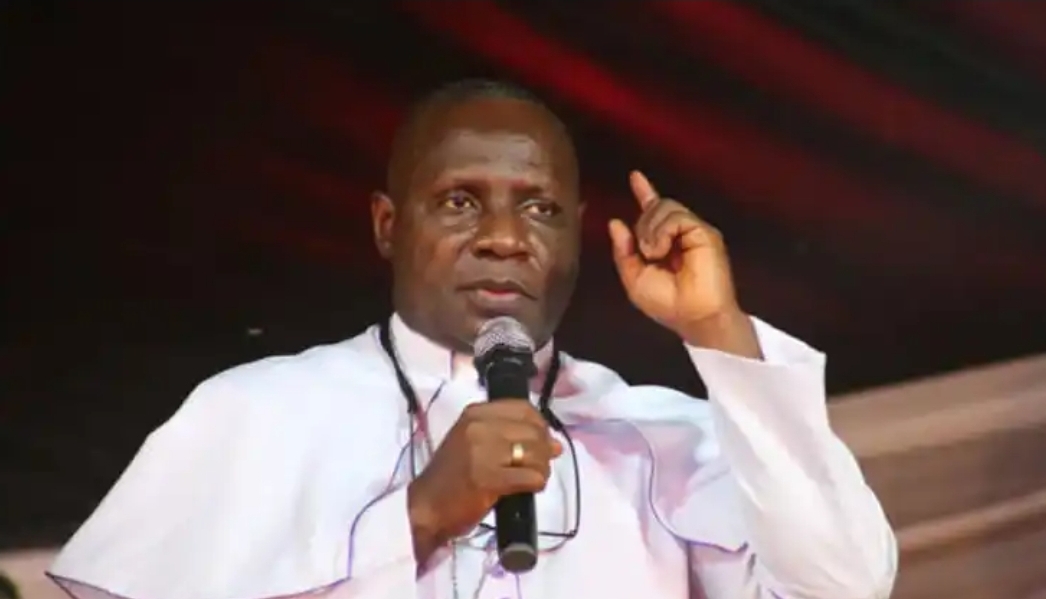
The new Central Bank of Nigeria cash withdrawal restriction would have a greater impact on politicians, according to Most Reverend Daniel Okoh, President of the Christian Association of Nigeria.
Okoh, who was represented by the immediate president of the OAIC, Napo Emuchay, said the policy was directed at politicians who have amassed wealth for electoral purposes while speaking at the thanksgiving service for the new president of the Organization of African Instituted Churches, Nigeria Region.
He said, “It will affect politicians more because in order to evade taxation or avoid recovery, they keep loads of millions of naira in their accounts. They want to catch up with them.
“One thing that is likely to happen now, the price of dollar will shoot up because politicians are gearing up. All the money they have packed, they cannot take to the bank. They are planning to buy dollars so that they can change them when the new currency is out.”
He claimed that due to political currency manipulation, a dollar could be sold for N1,000 in January.
He claimed that the church would be in favor of the cash withdrawal cap if it were for the sake of the nation.
Israel Akinadewo, the president of the Organisation of African Instituted Churches’ Nigeria Region, meanwhile urged Nigerians to elect leaders with a track record of achievement.
He asserted that the nation required detribalized godly leaders who could protect it and bring the people together.
“ATM does not request for our tribe and faith before dispensing; rain has no preference for either of these too, and in as much as there is no special financial technology on the premise of tribes and region, then, our selfish needs should never undermine our collective growth,” he stated.
Akinadewo emphasized that Nigerians must have confidence in themselves and to focus on what they can do for the nation rather than what it can do for them.
“Furthermore, our dependence on foreign nations for everything should be reduced to the barest minimum but encourage local participation,” he added.


No CAN Official Attended Shettima’s Unveiling As APC VP Candidate- CAN PRO


A vote for Raila Odinga will address Africa’s prosperity promptly.


Many Happy Returns To Princess Adeshewa Loveth


Dozens Trapped As Four-storey Building Collapse In Abuja

