

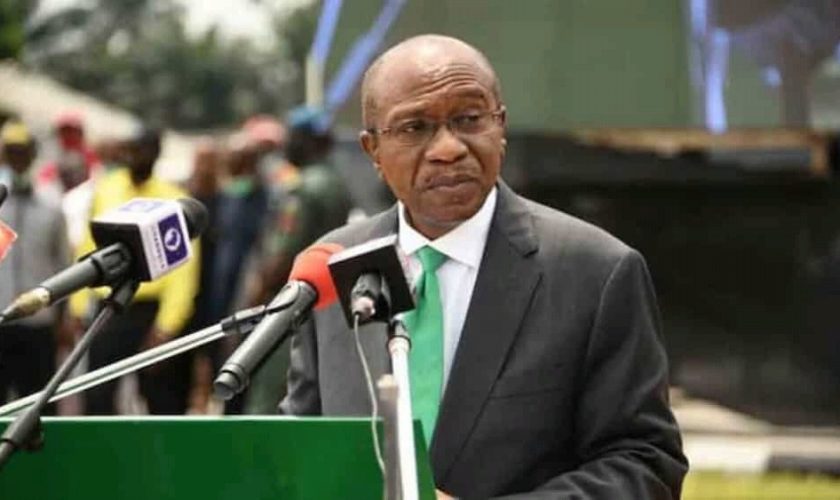
Godwin Emefiele, the governor of the Central Bank of Nigeria (CBN), has attributed the decline in foreign reserves on the number of Nigerian students enrolling in programs abroad.
According to Emefiele, reports indicate that the official foreign cash earned from crude oil sales into Nigeria’s reserves has rapidly decreased from over $3 billion per month in 2014 to zero dollars in 2022.
On Saturday, November 26, 2022, he made this statement at the 57th annual bankers’ dinner hosted by the Chattered Institute of Bankers of Nigeria (CIBN) in Lagos.
The head of the CBN stated that a significant crisis on the Nigerian foreign currency market is straining reserves and depreciating the value of the naira.
The head of the apex bank noted that the number of student visas granted to Nigerians by the UK has increased dramatically from an average of about 8,000 per year in 2022 to almost 66,000, which indicates an eight-fold increase and a $2.5 billion annual increase in study-related forex outflow to the UK alone.
Due to this and the need to increase forex earnings, the CBN and the Bankers’ Committee started the RT200 scheme in February 2022, Emefiele said.
According to him, the program was principally created to find innovative solutions for the issue of repatriating non-oil export revenues.
“Under the rebate scheme of the programme, the Bank has reimbursed a total of N78.4 billion naira, which I consider a fair price to incur to stabilise our foreign exchange market,” Emefiele said.
Before the introduction of the RT200, the CBN embarked on several initiatives to encourage forex inflow into Nigeria.
The Naira-4-Dollar initiative, reflecting the CBN’s efforts to increase migrants’ remittances into the country, was one such initiative.
He said : “I am happy to note that, so far, the Naira-for-Dollar scheme has been successful in increasing remittance inflows through our registered International Money Transfer Organizations (IMTOs).”