News & Announcements Archives | Page 266 of 322 | The Lafete Magazine
close

News & Announcements

News & Announcements

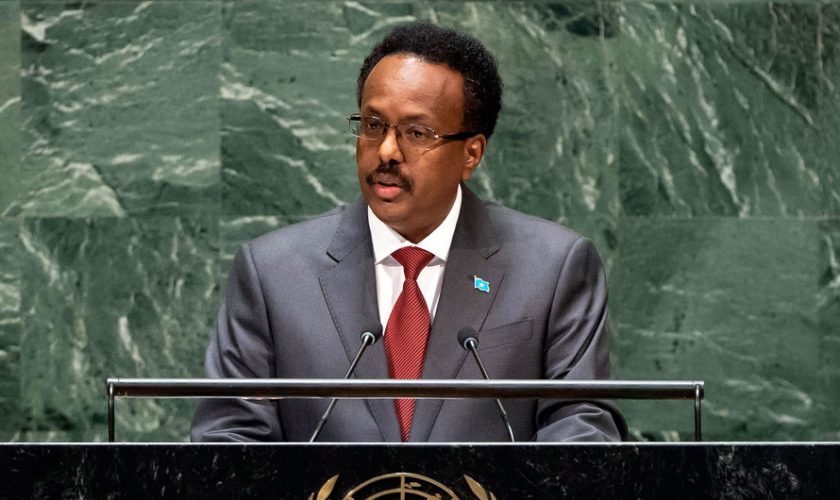
Somalia Parliament Extends President Farmaajo’s Tenure By Two Years

Somalia’s Parliament has extended its mandate and that of President Mohamed Farmaajo by two years, giving the incumbents some respite but creating potential opposition from the international community and some aspirants.

The decision was reached on Monday after an emergency assembly of the Lower House saw some 149 MPs vote to extend their mandate with three voting against and one abstention. The House usually has 275 MPs.

President Farmaajo welcomed the decision, saying it will correct the incessant disagreements on the electoral model.

The MPs say the two years should provide enough time for the country to be ready for universal suffrage, something it had failed to organise in four years.

“His Excellency, President Mohamed Farmaajo urges the citizens to seize the historic chance to choose their destiny as the House of the People voted to return the mandate of the election to the people.

“This followed after the failure of FMS members to support the implementation of the initial Sep 17, 2020 Agreement,” said a statement from Villa Somalia, Farmaajo’s official residence in Mogadishu.

The decision may undercut the calls by the international community and opposition groups who had opposed the extension of the mandate and any moves that could jeopardise the implementation of an indirect election based on an agreement reached on September 17, 2020.

On Monday, the group said it would not accept the move by Parliament. The argument by the opposition is that the mandate of the MPs had expired last year in December.

The group argued the Senate, which is the Upper House of Parliament accepts that the term of parliament expired. Senate Speaker Abdi Hashi had joined the opposition caucus to oppose any delays in elections as well as proper vetting of members of the electoral management bodies.

“Somalia’s legitimate representatives retook the task of legislating for national elections after some of you undermined September 17 elections agreement by misleading Deni  and company,” said Adam Aw Hirsi, a former government official in Somalia, and now an analyst of regional politics, directing his comment to the donors.

The September 17 agreement was endorsed by both Houses of Parliament to hold indirect elections. It was unclear, legally, whether the decision of only the Lower House to extend the mandate would stand.

He was referring to Presidents of Puntland and Jubbaland who fell out with President Farmaajo last week.

“Now, do not embarrass yourselves by doubling down,” he added.

The motion may have passed with the majority of those present voting for it. But the sessions had been preceded with controversy after Sadid John; the Commander of the Benadir Regional Police force was fired for ordering a blockage of parliament premises.

Under the agreement signed by President Farmaajo and leaders of five federal states; an indirect election was to be based on delegates nominated by elders in conjunction with the electoral management bodies. The delegates were to elect MPs who in turn vote for the president.

But the parties disagreed on who should be members of the electoral commission, security arrangements and venue of the polls in some of the federal states.

Last week, the parties fell out for the fourth time, failing to agree on the way forward and making no arrangements to return to the table. Opposition groups and donors demanded the resumption of talks. They didn’t.

“Farmajo’s train has arrived at the station it had been running towards. Many people who were unsure about his intention now know better,” said Mr Abdishakur Abdirahman, leader of Wadajir Party and a presidential aspirant.

Mr Abdirahman said the Lower House had undermined the stability of the country for “annulling” the agreement. Somalia doesn’t have a functioning constitutional/supreme court to clarify the legal quagmire.

 “Anyone who provides financial, military or diplomatic support to Farmajo’s unconstitutional acts becomes part of a crime against the Somali people.”

Mr Abdirahman and several other aspirants had formed the Council of Presidential Candidates, a caucus that has insisted on no extensions or parallel electoral programmes. Last week, the group led by ex-President Sheikh Sharif Ahmed called on parties to return to the table.
read more
News & Announcements

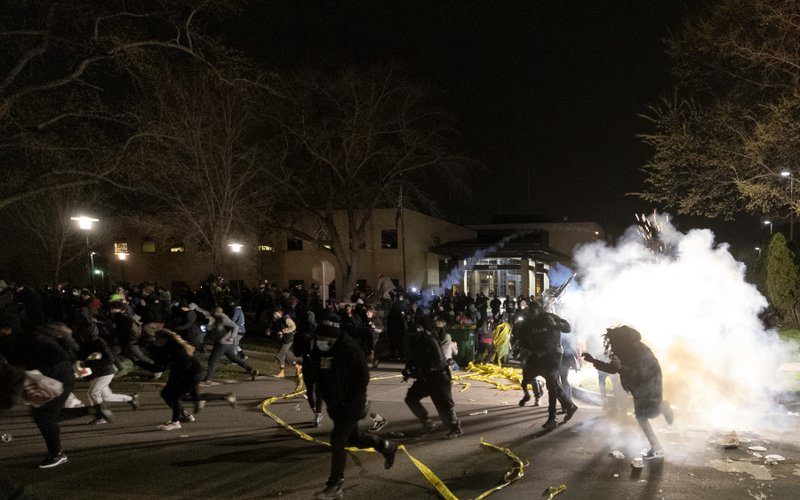
Minnesota Police Shoot, Kill Man At Traffic Stop

Crowds of mourners and protesters gathered in a Minneapolis suburb where the family of a 20-year-old man said he died after being shot by police before getting back into his car and driving away, then crashing several blocks away. The family of Daunte Wright said he was later pronounced dead.

The death, reports AFP, sparked protests in Brooklyn Center into the early hours of Monday morning, and stores were broken into, as Minneapolis was already on edge and midway through the trial of the first of four police officers in George Floyd’s death. Brooklyn Center is a city of about 30,000 people located on the northwest border of Minneapolis.

Minnesota Gov. Tim Walz tweeted he was praying for Wright’s family “as our state mourns another life of a Black man taken by law enforcement.”

Police didn’t immediately identify Wright or disclose his race, but some protesters who gathered near the scene waved flags and signs reading “Black Lives Matter.” Others walked peacefully with their hands held up. On one street, written in multi-coloured chalk: “Justice for Daunte Wright.”

Demonstrators gathered shortly after the shooting and crash, with some jumping on top of police cars and confronting officers. Marchers also descended upon the Brooklyn Center police department building, where rocks and other objects were thrown at officers, Minnesota Department of Public Safety Commissioner John Harrington said at a news conference. The protesters had largely dispersed by 1:15 a.m. Monday, he said.

Harrington added that about 20 businesses had been broken into at the city’s Shingle Creek shopping centre. He said law enforcement agencies were coordinating to tame the unrest, and the National Guard was activated.

Brooklyn Center police said in a statement that officers had stopped a motorist shortly before 2 p.m. Sunday. After determining the driver had an outstanding warrant, police tried to arrest the driver. The driver re-entered the vehicle and an officer fired at the vehicle, striking the driver, police said. The vehicle travelled several blocks before striking another vehicle.

Police said the Hennepin County Medical Examiner’s Office will release the person’s name following a preliminary autopsy and family notification. A female passenger sustained non-life-threatening injuries during the crash.

Katie Wright, Daunte’s mother, huddled with loved ones near the scene and pleaded for her son’s body to be removed from the street, the Star Tribune reported. She said her son had called her when he was getting pulled over, and she heard scuffling before the call ended. When she called back, she said his girlfriend told her that her son had been shot.

Carolyn Hanson lives near the crash scene and told the newspaper that she saw officers pull the man out of the car and perform CPR. Hanson said a passenger who got out was covered in blood.

Brooklyn Center Mayor Mike Elliott announced a curfew in the city until 6 a.m. Monday. In a tweet, he said, “We want to make sure everyone is safe. Please be safe and please go home.”

Police said Brooklyn Center officers wear body-worn cameras and they also believe dash cameras were activated during the incident. The department said it has asked the Bureau of Criminal Apprehension to investigate.

The trial of Derek Chauvin, the former Minneapolis officer charged in Floyd’s death, was slated to continue Monday. Floyd, a Black man, died May 25 after Chauvin, who is white, pressed his knee against Floyd’s neck. Prosecutors say Floyd was pinned for 9 minutes, 29 seconds.

Harrington said more National Guard members would be deployed around the city and in Brooklyn Center.

read more
News & Announcements

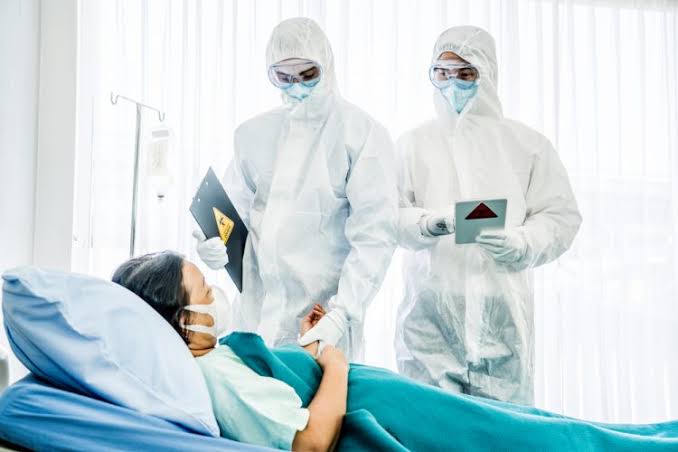
UK Eases COVID-19 Lockdown

Britain took another tentative step towards the resumption of normal life on Monday as pubs and restaurants were allowed to partially reopen, in a major easing of coronavirus restrictions.

English pubs and restaurants can now serve drinkers and diners outside, despite forecasts of wintry temperatures, bringing some cheer to the hard-hit hospitality industry after repeated closures.

“It’ll be great to see everybody again and see all the locals,” Louise Porter, landlady of The Crown Inn in Askrigg, northern England told AFP.

Also able to reopen are barbers and hairdressers, where demand is high for long-overdue trims more than three months after the latest stay-at-home order was imposed.

A surge of shoppers is expected at stores in the non-essential retail sector as outlets try to recoup heavy Covid losses.

Indoor gyms, swimming pools, libraries and zoos have also been given the go-ahead to open their doors, as have self-catering domestic holidays, where bookings have soared.

Mosques are meanwhile preparing for the start of Ramadan this week, a year after the Muslim holy month was observed without traditional community gatherings.

The resumption of Ramadan prayers, even with some social distancing measures, could give worshippers “a renewed optimism”, said the secretary-general of the Muslim Council of Britain, Zara Mohammed.

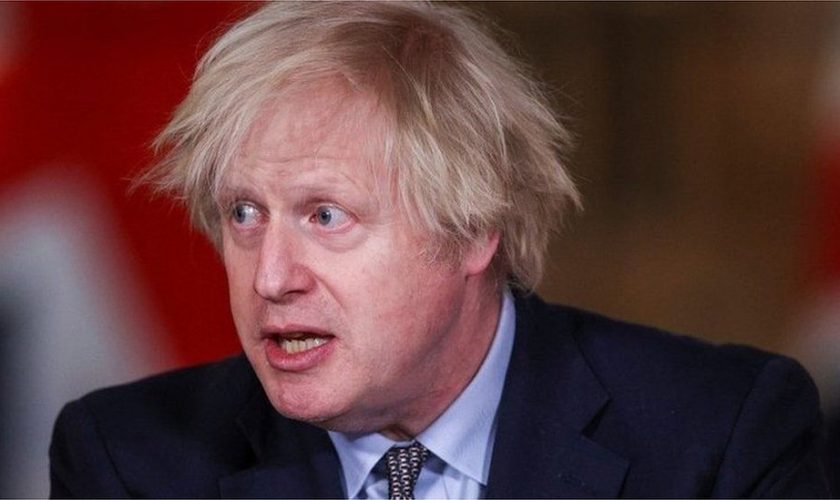
Prime Minister Boris Johnson called the easing of restrictions “a major step forward in our roadmap to freedom”.

“I’m sure it will be a huge relief for those business owners who have been closed for so long, and for everyone else, it’s a chance to get back to doing some of the things we love and have missed.”

Johnson had promised to toast the latest easing with a celebratory pint at a pub beer garden — a year to the day since he left the hospital after contracting Covid-19.

The emphasis is still on outdoor activities to prevent spread of the virus through close contact indoors.

But Johnson has put his plans on hold since the country went into mourning after the death of the head of state Queen Elizabeth II’s husband Prince Philip, aged 99.

Government ministers, scientists and health officials are warning the public against complacency, even after more than 60 percent of adults have received the first dose of a Covid vaccine.

“The watchword has got to be cautious, really,” said Peter Horby, chairman of the government’s New and Emerging Respiratory Virus Threats Advisory Group.

“The modelling which is now pretty good does show that we can expect some kind of rebound,” he told Times Radio on Sunday.

“It’s not clear exactly when or how big it will be but there is, I think, inevitably going to be a bit of a rebound in the number of cases when things are relaxed,” Horby said.

Ministers and scientists are banking on vaccination to prevent more serious cases of Covid-19 that require hospital treatment, after a surge in infections — and deaths — late last year.

Britain has recorded more than 4.3 million positive cases since the outbreak began and over 127,000 deaths — one of the worst tolls in the world.

The British economy has also been devastated by a year of enforced closures and restrictions, prompting consideration of new measures to ensure businesses stay open in the future.

One possibility is so-called “vaccine passports” but that has triggered a debate about whether they would be effective or enforced — and the implications for civil liberties.

There is also increasing pressure for a decision on the resumption of non-essential international travel, with Britons eager to book foreign holidays.

Johnson has said the government will be driven by data, not dates, in its reopening plan, with the next anticipated easing due on May 17.

All social restrictions are scheduled to be lifted on June 21.

Scotland, Wales and Northern Ireland, whose devolved administrations set their own health policies, are implementing less widespread easing of restrictions.

read more
News & Announcements

Almost One Million Facing Severe Hunger In Mozambique – UN

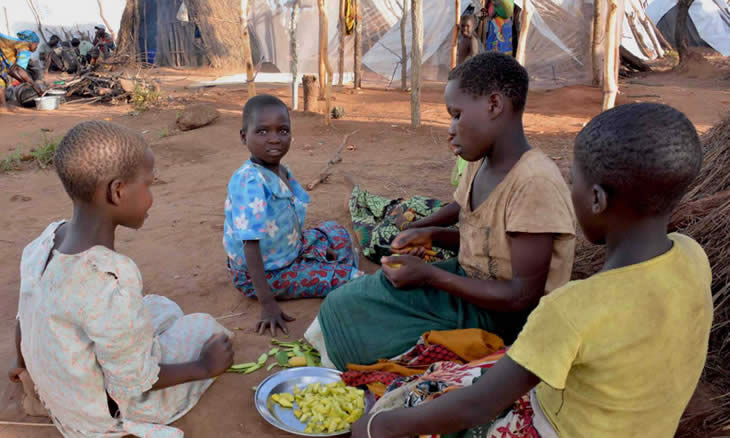
Almost one million people are facing severe hunger in northern Mozambique where a worsening conflict has driven hundreds of thousands from their homes, the United Nations agency has warned.

ISIL-linked fighters last month attacked Palma, a town in the gas-rich province of Cabo Delgado, sending residents scattering towards all directions in a desperate attempt to reach safety. It was the latest attack by an armed group is known locally as al-Shabab has been plundering towns and villages since 2017.

On Tuesday, the World Food Programme (WFP) said in a briefing in Geneva that 950,000 people were now hungry in Mozambique.

“Families and individuals have had to abandon their belongings and livelihoods and flee for safety … adding to an already desperate situation in northern Mozambique,” said Tomson Phiri, a WFP spokesman.

One heavily pregnant woman fled with her child after her husband was murdered in front of her, according to aid organisations. A teenager watched as his mother was murdered in a field. There were also reports of rape and kidnapping.

“We had to run away in the night and hide in the bush for two days with nothing, nothing at all,” Halima Adhu Jose told Al Jazeera last a week from Pemba, the provincial capital further south of Palma where thousands of displaced people streamed into.

“We managed to come with the boats, but now we aren’t able to get enough to eat. My children are hungry and I have nothing to give,” said the 32-year-old, who was a food vendor in Palma. “I don’t know how long we can continue to live with nothing.”

WFP appealed to donors for $82m to confront the crisis, a day after Mozambique’s National Institute for Disaster Risk Management and Reduction said it also needed seven billion meticais ($126m) to help those fleeing violence in Cabo Delgado, according to Portugal’s state news agency Lusa.

The UN International Children’s Emergency Fund (UNICEF) said it was currently caring for more than 200 displaced children whose parents could not be found.

“We are facing a likely long-lasting humanitarian crisis,” Manuel Fontaine, UNICEF’s director of emergencies, told the same briefing in Geneva.

Some 690,000 people were already displaced across the country by February. Another 16,500 have since been registered in other areas of Cabo Delgado after fleeing the attack in Palma, according to the International Organization for Migration.

Tens of thousands more are still displaced within Palma district or are on the move, the UN’s humanitarian coordination agency, OCHA, said on Monday.

Many fled to a nearby village called Quitunda, built by French energy giant Total to house those displaced by its $20bn gas project next to Palma.

People there have little access to food, no protection and gather in their hundreds at Total’s site every day desperate for evacuation, a witness told Reuters news agency.

Total pulled its staff from the site due to nearby activity on April 2, while the WFP also halted evacuation flights it had been operating. The company has also suspended related operations in Pemba, a source with direct knowledge of the matter told Reuters.

Authorities are still working to identify 12 beheaded bodies found in Palma after the attack, which police and army officials said were believed to be foreigners.

Attacks by al-Shabab, whose origins, analysts say, are steeped in local political, religious and economic discontent, have steadily increased in Cabo Delgado since October 2017.

The fighters have ransacked towns and gained control of key roadways. They have abducted young women and children and beheaded civilians. They have destroyed infrastructure and even expanded their sphere of operation north into neighbouring Tanzania. And since August 2020, they have been in control of the key Mozambican port town of Mocimboa da Praia.

In early March, rights watchdog Amnesty International accused both the fighters and Mozambique’s security forces, as well as a South African private military firm hired by the government, of war crimes against civilians, including extrajudicial executions and acts of torture.

read more
News & Announcements

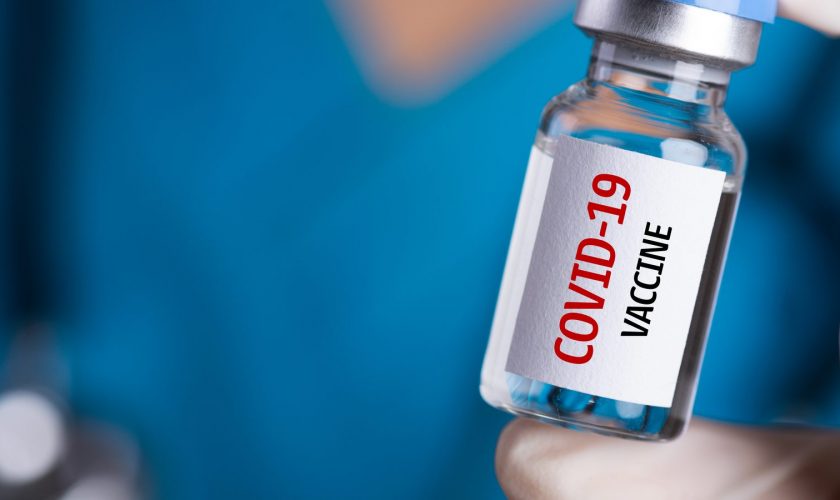
African Experts Call For Local Manufacturing Of COVID-19 Vaccine

A call has gone for the African continent to ensure that the continent starts manufacturing the Coronavirus vaccines for use among Africans in order to meet the challenges of the future.

Continental heads of state and international health officials say vaccine manufacturing must come to Africa in earnest to combat both the illness and future health emergencies.

Increasing the manufacturing capacity for Covid-19 vaccines in Africa could help ensure the continent does not lag behind in vaccinating its population.

However, scarce capital, lack of technology, inadequate incentives for investment and a minimal workforce are among the barriers to quickly ramping up production. Skills gaps and weak regulatory environments have also been cited as challenges to the continent in increasing long-term access to vaccines.

A high-level meeting brought together heads of State and key players in Africa’s health sector to discuss local production of vaccines. Kenya was, however, not represented in the two-day meeting organised by the Africa Centres for Disease Control and Prevention (Africa CDC).

At the meeting, speakers unanimously agreed that increasing the manufacturing capacity for Covid-19 vaccines in Africa could help ensure the continent doesn’t continue depending on the West for vaccines. Currently, South Africa is the only country that recently started to make the Johnson & Johnson Covid-19 vaccine for the continent.

Rwanda has taken bold steps with President Paul Kagame announcing that the East African nation was in talks to produce vaccines.

“For Africa, we need to move from being really very sorry for ourselves which is the case today, and move from what we know has not worked for Africa to something we can and are able to do and AfCFTA makes these investments even more attractive,” President Kagame said.

According to Dr Collins Tabu, head of Kenya’s national vaccines and immunisation programme, Kenya has also been holding closed-door meetings to increase its manufacturing capacity.

“We are already producing animal vaccines for the region. The country has been gearing up to move on with the production of childhood vaccines. We are working on legal mechanisms to have things in place,” said Dr Tabu in an interview with the local TV news channel, but did not say why the country had no representation at the meeting.

While Africa has reported a relatively low number of cases (about 4.4 million) compared to other regions, it has seen the world’s slowest rollout of vaccination campaigns. Less than two per cent of the 700 million vaccine doses administered globally to date have been in Africa, the leaders said in the virtual conference.

“There remains a shocking imbalance in the global distribution of vaccines, as I have said many times … The pandemic has shown that the global manufacturing capacity and supply chains are not sufficient to deliver vaccines and other essential health products quickly and equitably to where they are needed most,” said Tedros Adhanom Ghebreyesus, the director-general of the World Health Organization (WHO).

“That’s why building up the vaccine manufacturing capacity in Africa is so important.”

Africa is lagging in vaccinating its people against Covid-19. Continental heads of State and international health officials say vaccine manufacturing must come to Africa in earnest to combat both the illness and future health emergencies.

“Vaccine equity cannot be achieved by goodwill alone. Africa needs to expand its production capacity for vaccines and other essential medical products” noted President Kagame.

According to Mr. Kagame, AfCFTA, a trading regime that provides for $3.4 billion (Sh364.1 billion) trade in a market of 1.2 billion people should make an investment in vaccine development and manufacturing in Africa “even more attractive”.

To have the manufacturing up and running, the leaders drawn from the health, finance, and governance sectors continued to push for pharmaceutical companies to waive intellectual property rights and share the expertise in producing vaccines to a broad base of manufacturers. Earlier, this push fell short without support from high-income countries.

So far, solutions for expanding manufacturing have included some instances of pharmaceutical companies transferring the know-how and rights for a vaccine’s production to other companies, such as AstraZeneca allowing the Serum Institute of India and South Korea’s SK BioScience to produce its vaccine.

In Africa, Algeria partnered with Moscow to start producing Russia’s Sputnik V vaccine in September, with part of the production, will be intended for African countries.

Of the 1.3 billion doses used in Africa annually, the continent only produces 12 million doses.

John Nkengasong, director of the Africa Centers for Disease Control and Prevention said the continent has just a handful of vaccine manufacturing and that 99 per cent of vaccines are imported.

Economist Vera Songwe, executive secretary of the United Nations Economic Commission for Africa estimated that if the continent can seize on medical manufacturing, six million jobs can be created.

However, she said the continent should not stop there.

“We have about 80 different variables that get into vaccine production. So yes, Africa should produce vaccines, but the whole vaccine supply chain — syringes, plastics, containers for the vaccines — also can, and should, be produced on the continent,” she said.

But a wide-scale increase in production will not be simple, vaccine manufacturing experts said.

Currently, African nations only produce one per cent of the vaccines used on the continent, with scattered, limited capacity. Although experts are still hashing out how to do this, one thing they seem to agree on is that it will not be quick or cheap.

To that end, Ms Songwe said, the African continent is asking for 25 per cent of the International Monetary Fund’s international reserve asset, a fund that gives countries access to major currency reserves.

Ngozi Okonjo-Iweala, who heads the World Trade Organization (WTO), said a plan to manufacture vaccines in Africa requires much more than time, care, and money. It requires changes to intellectual property laws, trade agreements, transport networks, research capabilities, and more, she added.

“The world is now learning how to do this better for the next time and putting in place a framework to manage the next pandemic. Africa must also prepare and think of how to do better for future crises,” said Dr. Okonjo-Iweala, who is also the African Union special envoy for Covid-19.

 “The World Bank estimates that each month of delaying vaccine access costs Africa $13.8 billion in lost output.”

read more
News & Announcements

Armenia Furious Over Azerbaijan’s Display Of Helmets Of Its Soldiers Killed During War

Armenia on Tuesday accused its historic rival Azerbaijan of fomenting ethnic hatred by displaying helmets of Armenian soldiers killed during the war between the neighboring countries last year.

A decades-long conflict over the disputed Nagorno-Karabakh region erupted into an all-out war in September, killing more than 6,000 people.

AFP reports that six weeks of fighting ended in November with Armenia’s defeat. Yerevan ceded swathes of territories to Baku under a russian-backed ceasefire, which was seen in Armenia as a national humiliation.

On Monday, Azerbaijani President Ilham Aliyev visited a “park of trophies” showcasing military equipment seized from Armenian troops during the war.

“Everyone who visits the park of military trophies will see the strength of our army will see our willpower, and how hard it was to achieve victory,” Aliyev said in a video address published on his website.

Hundreds of helmets of Armenian soldiers killed in the war were displayed in the park in central Baku as well as wax mannequins of Armenian troops.

Aliyev said the park demonstrated the ‘strength’ and ‘willpower’ of the Azerbaijani army [Handout /Azerbaijani Presidential Press Office via AFP]

The park, due to be opened to the public shortly, sparked uproar in Armenia, with the country’s foreign ministry accusing Azerbaijan of “publicly degrading the memory of the victims of the war, missing persons and prisoners of war, and violating the rights and dignity of their families.”

“Azerbaijan is finally consolidating its position as a global centre of intolerance and xenophobia,” the ministry said in a statement.

Armenian ombudsman Arman Tatoyan said the park was “proof of genocidal policy” that “clearly confirms institutional hatred towards Armenians in Azerbaijan”.

This sentiment was shared by most people in the Armenian capital Yerevan, where mass anti-government protests have been held regularly against Prime Minister Nikol Pashinyan’s decision to agree to the humiliating truce, leading him to call snap polls in June.

“This is true fascism,” 41-year-old historian Mher Barsegyan told the AFP news agency.

The park “recalls evidence of Hitler’s barbarism that is exhibited in museums around the world”, he said.

Ethnic Armenians declared independence for Nagorno-Karabakh and seized control of the region in a brutal war in the 1990s that left tens of thousands dead and forced hundreds of thousands from their homes.

Azerbaijan and Armenia have traded accusations of war crimes after the conflict – which had been largely dormant for decades – re-ignited in September.

read more
News & Announcements

COVID-19: US Urges Halt On J&J Vaccine After Blood Clot Report

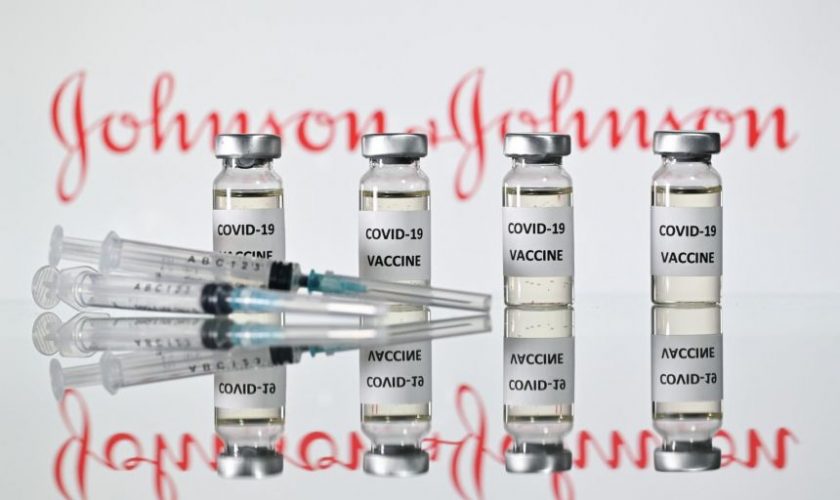
The U.S. is recommending a “pause” in the administration of the single-dose Johnson & Johnson COVID-19 vaccine to investigate reports of potentially dangerous blood clots.

In a joint statement Tuesday, the Centers for Disease Control and Prevention and the Food and Drug Administration said they were investigating clots in six women that occurred 6 to 13 days after vaccination. The clots were observed in the sinuses of the brain along with reduced platelet counts — making the usual treatment for blood clots, the blood thinner heparin, potentially “dangerous.”

More than 6.8 million doses of the J&J vaccine have been administered in the U.S., the vast majority with no or mild side effects.

U.S. federal distribution channels, including mass vaccination sites, will pause the use of the J&J shot, and states and other providers are expected to follow. The other two authorized vaccines, from Moderna and Pfizer, make up the vast share of COVID-19 shots administered in the U.S. and are not affected by the pause.

CDC’s Advisory Committee on Immunization Practices will meet Wednesday to discuss the cases and the FDA has also launched an investigation into the cause of the clots and low platelet counts.

“Until that process is complete, we are recommending a pause in the use of this vaccine out of an abundance of caution,” Dr. Anne Schuchat, principal deputy director of the CDC, and Dr. Peter Marks, director of the FDA’s Center for Biologics Evaluation and Research said in a joint statement.

They are recommending that people who were given the J&J vaccine who are experiencing severe headache, abdominal pain, leg pain, or shortness of breath within three weeks after receiving the shot contact their health care provider.

Officials say they also want to educate vaccine providers and health professionals about the “unique treatment” required for this type of clot.

Johnson & Johnson said it was aware of the reports of “thromboembolic events,” or blood clots, but that no link to its vaccine had been established.

“We are aware that thromboembolic events including those with thrombocytopenia have been reported with Covid-19 vaccines,” said Johnson & Johnson in a statement. “At present, no clear causal relationship has been established between these rare events and the Janssen Covid-19 vaccine.”

The J&J vaccine received emergency use authorization from the FDA in late February with great fanfare, with hopes that its single-dose and relatively simple storage requirements would speed vaccinations across the country. Yet the shot only makes up a small fraction of the doses administered in the U.S. as J&J has been plagued by production delays and manufacturing errors at the Baltimore plant of a contractor.

Last week the drugmaker took over the facility to scale up production in hopes of meeting its commitment to the U.S. government of providing about 100 million doses by the end of May.

Only about 9 million of the company’s doses have been delivered to states and are awaiting administration, according to CDC data.

Until now concern about the unusual blood clots has centred on the vaccine from AstraZeneca, which has not yet received authorization in the U.S. Last week, European regulators said they found a possible link between the shots and a very rare type of blood clot that occurs together with low blood platelets, one that seems to occur more in younger people.

The European Medicines Agency stressed that the benefits of receiving the vaccine outweigh the risks for most people. But several countries have imposed limits on who can receive the vaccine; Britain recommended that people under 30 be offered alternatives.

But the J&J and AstraZeneca vaccines are made with the same technology. Leading COVID-19 vaccines train the body to recognize the spike protein that coats the outer surface of the coronavirus. But the J&J and AstraZeneca vaccines use a cold virus, called an adenovirus, to carry the spike gene into the body. J&J uses a human adenovirus to create its vaccine while AstraZeneca uses a chimpanzee version.

The announcement hit U.S. stock markets immediately, with Dow futures falling almost 200 points just over two hours before the opening bell. Shares of Johnson & Johnson dropped almost 3%

read more
News & Announcements

United States, EU Condemn Move To Extend Somalia President’s Tenure

The United States and European Union have condemned the move by Somalia’s parliament to extend the terms of the president and members of parliament by two years amid concern it could deepen divides in the country.

US Secretary of State Antony Blinken said he was “deeply disappointed” by the approval of the legislation on Tuesday.

“Implementation of this bill will pose serious obstacles to dialogue and further undermine peace and security in Somalia,” Blinken said in a statement.

“It will compel the United States to reevaluate our bilateral relations with the Federal Government of Somalia, to include diplomatic engagement and assistance, and to consider all available tools, including sanctions and visa restrictions, to respond to efforts to undermine peace and stability,” he said.

News Agency reports that Somalia’s lower house of parliament voted on Monday to extend President Mohamed Abdullahi Mohamed’s four-year term, which expired in February, for a further two years.

Lower House speaker Mohamed Mursal Sheikh Abdurahman said the measure would allow the country to prepare for direct elections but the speaker of the Senate upper house, which would normally have to approve the legislation, immediately condemned the move as unconstitutional.

Abdi Hashi Abdullahi warned it would “lead the country into political instability, risks of insecurity and other unpredictable situations.”

The president and the leaders of Somalia’s five semi-autonomous federal states had reached an agreement in September to prepare for indirect parliamentary and presidential elections in late 2020 and early 2021.

But the deal fell apart amid squabbles over how to conduct the vote.

The political crisis threatens to deepen Somalia’s divisions, distracting attention from the fight against the al-Qaeda-linked al-Shabab in which thousands of civilians across the region have died over the past 12 years.

The African Union, European Union, United Nations and the regional bloc, the Intergovernmental Authority on Development, said in a joint statement on Saturday that they would not support any extension of the president’s term.

After the extension was agreed the EU’s foreign policy chief Josep Borrell warned of the threat to stability.

“The European Union believes that the passage and signing of this resolution will divide Somalia, impose additional delays and constitute a grave threat to the peace and stability of Somalia and its neighbours,” Borrell said in a statement.

“It certainly does not serve the interests of the people of Somalia,” he added.

The international community has urged that immediate elections be held.

Somalia has not had an effective central government since the collapse of Siad Barre’s military government in 1991, which led to decades of civil war and lawlessness fuelled by clan conflicts.

The country is currently governed under an interim constitution and its institutions, such as the army, are backed up with international support.

read more
News & Announcements

Study Shows Why Some COVID-19 Survivors Develop Blood Clot

People who have recovered from Covid-19, especially those with pre-existing cardiovascular conditions, may be at risk of developing blood clots due to a lingering and overactive immune response, a study says.

The study, led by researchers from the Nanyang Technological University in Singapore, found that recovered Covid-19 patients had twice the normal number of circulating endothelial cells (CECs) that had been shed from damaged blood vessel walls.

The elevated levels of CECs, according to IANS, India’s largest independent news source, indicate that blood vessel injury is still apparent after recovering from viral infection.

The recovered Covid-19 patients also continued to produce high levels of cytokines – proteins produced by immune cells that activate the immune response against pathogens – even in the absence of the virus.

Unusually high numbers of immune cells, known as T cells, that attack and destroy viruses were also present in the blood of recovered Covid-19 patients.

The presence of both cytokines and higher levels of immune cells suggest that the immune systems of recovered Covid-19 patients remained activated even once the virus was gone, which revealed the findings published in the peer-reviewed scientific journal eLife.

The researchers hypothesise that these persistently activated immune responses may attack the blood vessels of recovered Covid-19 patients, causing even more damage and increasing the risk of blood clot formation further.

“While Covid-19 is mainly a respiratory infection, the virus may also attack the linings of blood vessels, causing inflammation and damage.

’’Leakage from these damaged vessels triggers the formation of blood clots that may result in the sort of complications seen in the patients during hospitalisation,’’ said Florence Chioh, research assistant at NTU’s Lee Kong Chian School of Medicine.

The study “makes a strong case for the close monitoring of recovered Covid-19 patients, especially those with pre-existing cardiovascular conditions like hypertension and diabetes who have weakened blood vessels”, said Christine Cheung, Assistant Professor at NTU’s Lee Kong Chian School of Medicine.

The team collected and analysed blood samples from 30 Covid-19 patients a month after they had recovered from the infection and were discharged from the hospital.

read more
News & Announcements

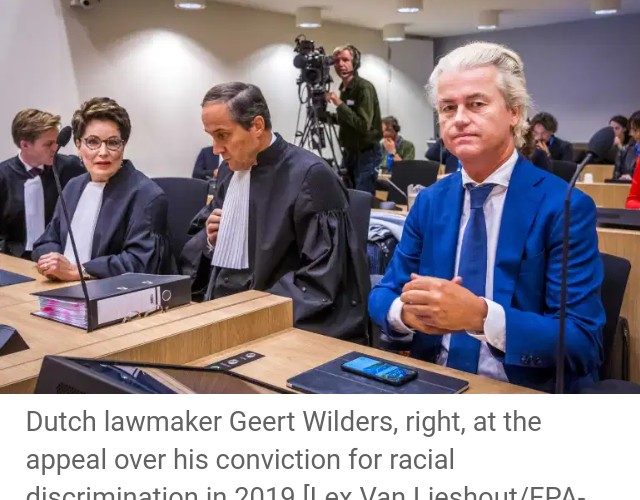
Turkish Officials Lash Out At Dutch Lawmaker After ‘Diparaging’ Islamic Remarks

Turkish officials reacted angrily to far-right Dutch lawmaker Geert Wilders after he made disparaging remarks about Islam at the start of Ramadan.

On Monday, Wilders, chairman of the Party for Freedom (PVV) in the Netherlands, shared a short video clip on Twitter attacking Islam and the Muslim holy month.

Turkey’s ruling AK Party spokesman Omer Celik on Wednesday accused Wilders of having “a racist and fascist mind”.

“Enemies of Islam also hate migrants, poor people, needy people and foreigners,” he said on Twitter.

Aljazeera reports that Ali Erbas, the head of the Presidency of Religious Affairs, condemned Wilders’ remarks as “unacceptable”.

“I invite the international community to a conscious struggle against the racist mentality that incites Islamophobia and targets social peace,” Erbas said.

Turkey’s Communications Director Fahrettin Altun also condemned Wilder’s remarks.

“Heartless @geertwilderspvv is racist, fascist and extremist. Islam condemns all. Stop racism,” Altun said on Twitter, tagging the Dutch lawmaker.

Wilders is one of Europe’s most prominent far-right politicians and has been a key figure in shaping the immigration debate in the Netherlands over the past decade, although he has never been in government.

Wilders – whose political career has been based largely on his strident anti-Islam rhetoric – has frequently shocked the Dutch political establishment and offended Muslims.

He was acquitted in a 2011 hate speech trial for remarks likening Islam to Nazism and calling for a ban on the Quran. He was acquitted by an appeals court of racial discrimination last year, although it upheld a conviction for intentionally insulting Moroccans as a group.

Wilders has lived under tight security for 16 years because of death threats following his anti-Islam rhetoric.

President Recep Tayyip Erdogan lodged a criminal complaint against the Dutch lawmaker last year after he posted a series of insulting tweets against the Turkish leader.

read more
1 264 265 266 267 268 322
Page 266 of 322