
“Local refining will lower the price of petrol by N70 per liter” – Marketer

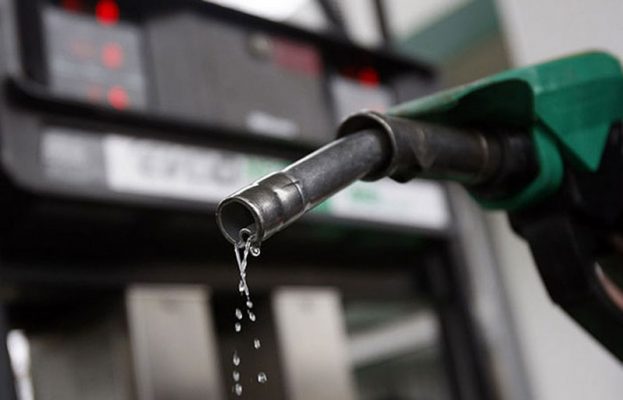
Oil marketers claim that when local refining is fully operational, the cost of gasoline will be reduced by at least N70 a litre.
Speaking about the advantages of the federal government investing in operational refineries, Mike Osatuyi, National Controller Operations of the Independent Petroleum Marketers Association of Nigeria, made this statement.
He stated to on Wednesday that while refinery renovation contracts have been given, it would be excellent if repairs could be finished as soon as feasible to lessen the financial burden and anxiety that comes with importation into the nation.
He said, “The contract has been awarded already before the new government came into office. IPMAN doesn’t know the context of the contract, but if the refineries are working, it would cut freight and ship-to-ship transfer costs.
“Not less than N60/N70 per litre will be off if the refineries start working.”
He mentioned a few more advantages of doing local refining, like lower insurance costs, faster product delivery, and more jobs.
According to him, “Cost of insurance would reduce, and then if we keep importing, it takes about 30 days for ships to arrive in Nigeria and we would have to pay for hiring the vessel.
“But if we refine in the country, products would arrive within one day. There will also be more jobs for the masses. It’s a lot of benefits.”
A former Chairman of the Major Oil Marketers Association of Nigeria and Chairman/Chief Executive of 11 Plc, Tunji Oyebanji, said marketers did not prefer products importation over local production.
“We want local refineries to work because we don’t enjoy importing,” he said.
Since there were no operational local refineries, Nigeria continued to rely largely on the importation of gasoline.
Petrol prices have skyrocketed after the termination of subsidies on May 29. They went from roughly N198/N200 per litre to N617 per litre.
Since then, local consumption has decreased by 30% from the 66 million liters per day that were recorded before to the elimination of subsidies.


A vote for Raila Odinga will address Africa’s prosperity promptly.


Many Happy Returns To Princess Adeshewa Loveth


Dozens Trapped As Four-storey Building Collapse In Abuja


Rhema Voice Chapel International Sierra Leone Turns Sod To A Magnificent Church Building

