Ekweremadu testifies in court that he believed he was being scammed.

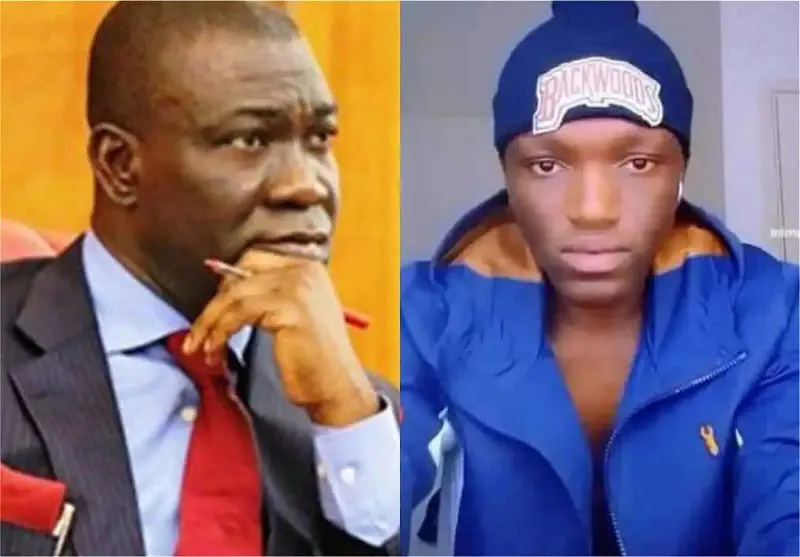
Ike Ekweremadu, the embattled former deputy Senate president, claimed in court in London that he believed physicians were “scamming” him.
He is accused of planning to use a man for a kidney transplant.
Ekweremadu, 60, is charged with arranging for a man to come to Britain so that he might be used as an organ donor for his ill daughter.
The Old Bailey court heard that a 21-year-old street vendor from Lagos would receive up to £7,000 in return for a kidney.
He was promised opportunities in the UK for helping Ekweremadu’s daughter.
The same accusation is refuted by Mr. Ekweremadu, his wife Beatrice, 56, daughter Sonia, 25, and medical “middleman,” Dr. Obinna Obeta.
The court was informed that the street vendor made up the identity of Sonia’s cousin in an unsuccessful attempt to convince doctors at the Royal Free Hospital in London to perform the £80,000 private treatment.
Ekweremadu, who owns a residence in Willesden Green in north-west London, was questioned during his testimony on Tuesday regarding an invoice for £8,000 that he received through his brother, Diwe, on February 8, 2022.
Diwe claimed in his message to have received a “large invoice” from a consultant physician.
He wrote; “It looks like they’re all out to exploit people’s unfortunate situation,” the court heard.
The accused claimed that he felt like he was being “scammed” to the jury.
Martin Hicks KC, a defense attorney, questioned: “Why not at this point declare we are being conned, Dr. Obeta, end of, stop?”
My daughter’s life was in jeopardy, so if we stop, her life will be in risk, Ekweremadu retorted. We simply keep traveling, then.
“Everybody was obviously taking advantage of my daughter’s ill health.”
Also brought forward was an unsigned affidavit from January 19, 2022 that was found in Dr. Obeta’s Southwark, London, residence and erroneously claimed that the potential donor was Sonia’s cousin.
Ekweremadu said jurors; “I felt embarrassed because that’s not true and I told my daughter to ignore the document.”
He added; “I told her not to sign it… If you sign an affidavit you have to tell the truth.”
Asked who created the document, the defendant said: “I have no idea.”
Ekweremadu claimed his family had written to a court in Abuja, the capital of Nigeria, to identify the origin of the affidavit.
Mr Hicks told the court: “It’s a forgery.”
Mr Ekweremadu agreed.
The trial continues.

Obasanjo writes to the British court, pleads for Ekweremadu.

Alleged Organ Harvesting: Again, UK Court Denies Sen. Ekweremadu Bail, Adjourns Case Till 2023
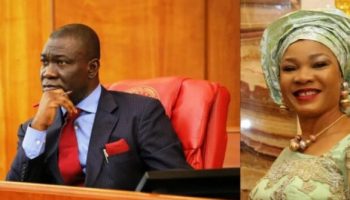

Ekweremadu To Remain in Custody Till October 31 As UK Court Adjourns Matter To Oct 31
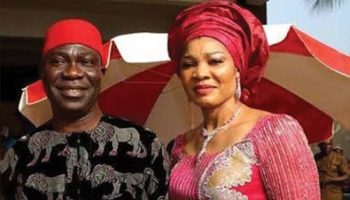

Update On Ekweremadu’s Arrest In London