News & Announcements Archives | Page 229 of 322 | The Lafete Magazine
close

News & Announcements

News & Announcements

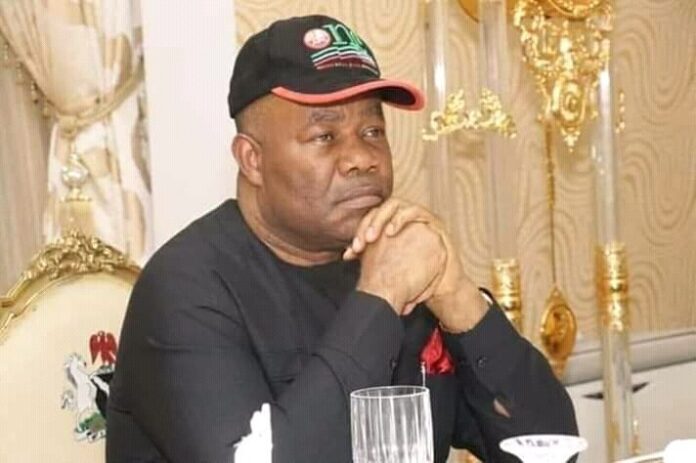
N2.2bn Contract: Senate Summons Akpabio, NDDC Sole Administrator 


The Senate yesterday summoned the Minister of Niger Delta Affairs, Senator Godswill Akpabio, and the Sole Administrator of Niger Delta Development Commission ( NDDC), Mr. Effiong Okon Akwa over an alleged non–payment of an N2.2 billion contract executed for the agency.
The  Chairman, Senate Committee on Ethics, Privileges and Public Petitions, Senator Ayo Akinyelure, said both Akpabio and Akwa must appear before his panel unfailingly on April 12, 2022, by 2 pm.
Akinyelure told journalists that his committee had written several letters of invitation to Akpabio and NDDC’s sole administrator on petitions against them without any response from them.
He said: “It shouldn’t be business as usual. Akpabio and the NDDC Sole Administrator must appear before the Ethics, Privileges, and Public Petitions Committee failure which will lead to the issuance of a Warrant of Arrest of them.


“The Committee wants to believe that as far the Minister of Niger Delta Affairs is concerned,  break down in communication must have caused his non – appearance before the Committee because as a Senator, he should know the implication of that.


” This press briefing is being done to solve the perceived communication breakdown between the Committee and his office. If our letters are not delivered to him, he will read and hear about the invitation in the media, ” he said.
The summon, he explained, was hinged on petitions filed against Akpabio and NDDC sole administrator by Akom Survey Services Limited.


The firm alleged non-payment of fees for Survey carried out in the nine Niger Delta States based on a N2.2 billion contractual agreement with the NDDC.
He said the petitioners totaling seven different companies,  lamented in their petitions that non–payment for the services rendered, is pushing them into insolvency arising from unbearable Interests on loans secured from the banks.


”Aside from the N2.2 billion contract yet to be paid to the seven companies by NDDC, there is an outstanding N6.25 billion contracts yet to be paid to affected companies and a N2.5 billion job racketeering scandal.


”Petitions on all these against the NDDC and by extension, the Ministry of Niger Delta Affairs are before the Committee which must be thoroughly investigated as mandated by the Senate,” he added.

read more
News & Announcements

Train Attack: DIA uncovers Bandits’ Camps, NAF Shells Scores of Terrorists In Kaduna

The joint intelligence service has uncovered scores of makeshift facilities and forest settlements serving as camps for armed bandits and kidnappers terrorizing travelers along Abuja-Kaduna Highway and train routes.


This is coming as the Nigerian Air Force aircraft killed scores of terrorists on Wednesday after obtaining intelligence on their movement.
It was gathered that after obtaining intelligence on the movement of bandits along the Akilibu-Sarkin Pawa Road, near Mangoro Village, the NAF aircraft engaged terrorists in different waves with rockets, while those fleeing were mopped up with canons decisively.
A domestic intelligence operative told PRNigeria that 34 dead bodies of the bandits were so counted during a mop-up operation.


Meanwhile, an emergency intelligence meeting coordinated by the Defence Intelligence Agency after the attack on an Abuja-Kaduna train identified three locations as “destinations” of bandits after most attacks within the axis.
The meeting, it was gathered, also considered immediate deployment of integrated security surveillance and monitoring solutions for the rail line.


The locations identified by the intelligence service as bandit dens are Rijana, Katari, and Kasarami.
The places have proximity to the Kaduna-Abuja highway and rail lines.
“These locations are abodes to kidnappers, armed bandits, drug addicts, gun runners, prostitutes, and fleeing Boko Haram terrorists,” a senior intelligence source revealed.


The officer further told PRNigeria that a “massive joint security operation” will commence in the areas, simultaneously with the support of recently acquired Drones.
The source added: “Some of the services have recently acquired sophisticated Unmanned Aerial Vehicles, the drones to improve surveillance and ensure precisions on attacks on targets.


“We anticipate collateral damages in the initial stages of the operation even though we will ensure maximum protection of innocent citizens.“Proper identification exercises of people in the areas would be conducted.”
The meeting of the intelligence operatives was on the heels of a security parley between President Muhammadu Buhari and Service Chiefs.


President Buhari had given the Service Chiefs a marching order to find lasting solutions to incessant attacks on motorists and train passengers by bandits and kidnappers. Prior to their meeting with Buhari, the duo of General Lucky Irabor, Chief of Defence Staff, and Lieutenant General Faruq Yahaya, Chief of Army Staff, undertook an assessment visit to the scene of the attack by bandits on a passenger train on Monday. Meanwhile, the Nigerian Senate has called on the Army and Air Force to, as a matter of urgency bombard terrorist enclaves, with a view to restoring peace and stability in the country.


The Senators made the demand on the military amid resolutions reached, following a point of order raised on “the continuing attacks on Communities and public facilities in Kaduna State.”
The point of order raised by Senator Uba Sani (Kaduna Central) noted that terrorists have in recent times stepped up attacks on some communities and public facilities in Kaduna State.

read more
News & Announcements

AfDB Raises Hope On $15.6B Abidjan-Lagos Highway Project

The Africa Investment Forum is catalyzing financing for the Abidjan-Lagos highway project.
This is contained in a statement issued by the Communication and External Relations Department of the Africa Development Bank (AfDB) on Tuesday in Abuja.
The construction of the 1,081-kilometer Abidjan-Lagos highway is expected to have a significant impact on the economies of five West African countries – Côte d’Ivoire, Ghana, Togo, Benin, and Nigeria.
The project is valued at 15.6 billion dollars and is led by the Economic Commission of West African States (ECOWAS).


The AfDB said that the transformative Public-Private Partnership (PPP) project was the largest investment opportunity showcased at the Africa Investment Forum virtual boardrooms held from March 15 to March 17.

The President of the Bank, Dr. Akinwumi Adesina during the event said that the Abidjan-Lagos Highway project was the most important infrastructure project in West Africa, adding that it would facilitate free movement and trade in the region.
Adesina said that the new highway would start at Bingerville, in the eastern suburbs of Abidjan, and terminate at Mile two (Eric Moore) in Lagos.


“Three sections are planned for the construction of this dual three-lane highway: Abidjan (Côte d’Ivoire) – Takoradi (Ghana), 295 km, Takoradi (Ghana) – Akanu (Ghana), 466 km; and Noepe (Togo)- Cotonou (Benin)- Lagos (Nigeria), 320 km.’’
According to him, eight border posts will also be built along the corridor.
The statement noted that Abidjan-Lagos highway the AfDB had provided 22.4 million Euros in funding to finance preparatory studies for the implementation and management of the corridor project.

The boardroom session was co-chaired by the President of the ECOWAS Commission, Jean-Claude Kassi Brou, and Solomon Quaynor, the AfDB’s Vice President in charge of Private Sector, Infrastructure, and Industrialisation.


Brou echoed Adesina’s comments on the importance of the Abidjan-Lagos Corridor Highway project.
“The Abidjan-Lagos Corridor is one of the main instruments that will ensure the development of our region and consolidate the economic resilience of West Africa.
“It is an integral part of the African Union and AUDA-NEPAD’s major continental road development projects,’’ he said.


Among the 45 transactions featured during the virtual boardrooms meetings, the Abidjan-Lagos highway attracted significant interest from private, public, and institutional investors.
The Abidjan-Lagos highway forms part of the Dakar-Abidjan-Lagos cross-border coastline that would have a direct impact on 14 of the 16 West African countries.
They are Benin, Burkina Faso, Côte d’Ivoire, Gambia, Ghana, Guinea, Guinea Bissau, Liberia, Mali, Niger, Nigeria, Senegal, Sierra Leone, and Togo.


The Abidjan-Lagos highway is also one of 16 projects included in the priority action plan of the AU’s Programme for Infrastructure Development in Africa (PIDA), which is being implemented by the AfDB.
The project is also a priority within the framework of the new ECOWAS Vision 2050 which, among other objectives, aims to “make ECOWAS a fully integrated and interconnected economic region’’.
Furthermore, the Abidjan-Lagos highway will complete the Enugu-Bamenda corridor linking southeast Nigeria in West Africa to southwest Cameroon in Central Africa.


The 443-kilometer highway, costing about 430 million dollars is being financed by the AfDB and the project is currently being finalized.

This integrating corridor will link the most economically dynamic cities and ports and the most densely populated agglomerations in West Africa (Lagos, Abidjan, Accra, Cotonou, and Lomé).
It will also increase trade and integration in West Africa, notably by providing maritime port access to landlocked countries (Burkina Faso, Mali, Niger, and Chad) through its connection with other corridors along the North-South axis.


The Abidjan-Lagos highway will boost transport (roads, railroads, ports, and airports) in West Africa.
It will also help to accelerate the implementation of the African Continental Free Trade Area, a market of 1.3 billion consumers and a combined Gross Domestic Product (GDP) of about three trillion dollars.

read more
News & Announcements

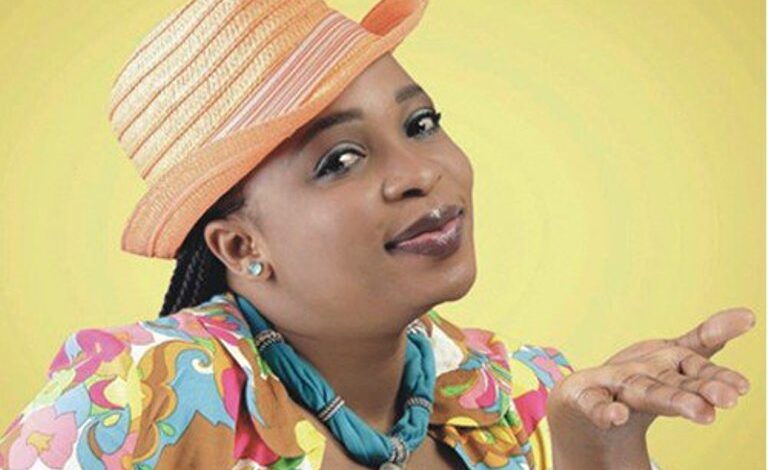
Kemi Afolabi: 10 Medical Facts to Know About The Incurable Disease, Lupus 


Popular Nollywood actress, Kemi Afolabi took the entertainment industry by storm on Friday when she disclosed that she has been diagnosed with an incurable disease called Lupus.
The matter became more worrisome when she said her doctors have declared that she has five years more to live.


Apparently, some people might know little or not have heard about the disease before the actress’ revealed her status.
As new as it might sound, lupus is a common disease in Nigeria with over 100,000 cases diagnosed per year, according to the College of Medicine, University of Ibadan.


Here are 10 medical facts you should know about lupus:
1. Autoimmune disease one is sure what causes lupus, but doctors do know that the symptoms emerge when your immune system is not working as it should.
Your immune system cells that are supposed to protect the body from different germs start treating normal, healthy cells like invaders, attacking them and causing flare-ups that can affect the joints, kidneys, and almost any other system in the body.


2. No clear symptoms of lupus vary from person to person, from severity to the body parts affected. Some of the most common signs of lupus are rash and joint pain, according to rheumatologists. Symptoms can also include fatigue, hair loss, mouth sores, and fever.


3. Diagnosed at any age – Women of childbearing age (between 15 and 44) are at the highest risk of lupus, according to the Centers for Disease Control and Prevention, but the disease isn’t limited to younger adults. Between 10 and 20 percent of people with systemic lupus are diagnosed before age 18, according to a study in Nature Reviews Rheumatology, and adults can also have “late-onset” lupus that is diagnosed after age 50.


4. Race is a risk factor – People of colour — particularly people of African descent — are at a higher risk of lupus than white people are, and the disease tends to affect populations differently. These patients tend to have higher mortality rates than white patients, while Hispanic and Asian patients have a lower risk of lupus, according to a study of 42,000 lupus cases.


5. Women are at a higher risk – Most studies find that about 90 per cent of lupus patients are women, according to a review in Seminars in Arthritis and Rheumatism.
The study also found that men tend to have more damage earlier in the disease and have lower survival rates. Hormones might play a role in sex differences, but studies have not found a conclusive answer.


6. Diagnosis based on symptoms and tests without a single blood test to clinch a lupus diagnosis, rheumatologists need to look at the whole picture.
When rheumatologists suspect an autoimmune problem, they will take your symptoms into account while looking at X-rays, blood tests, and biopsies to see if results match what they’d expect from lupus, or if it is more likely a different disease.


7. Looks like other conditions – Other conditions like rheumatoid arthritis, fibromyalgia, and Lyme disease share symptoms with lupus.
Without a specific blood test pointing to lupus or other autoimmune conditions, it can sometimes take trial and error for rheumatologists to pin down the right diagnosis.


8. There is no cure – At this point, scientists have not found a cure for lupus. That said, though a chronic disease, it is not a death sentence. With new medications, lupus mortality rates have improved over time, and the life expectancy for women with lupus-related kidney inflammation is almost on par with women of similar age groups in the general population, according to a study in the Internal Journal of Immunopathology and Pharmacology.
A rheumatologist will be able to recommend the best treatment plan for a particular patient.


9. Some babies are born with the disease – Sometimes, a mother with lupus or antibodies related to it can pass those antibodies to her newborn, causing a form of lupus called neonatal lupus.
Typically, the result is lupus-like skin lesions that go away after a few months, when the babies start to make their own antibodies, he says.


In rare cases, the child of a mother with those antibodies will develop a condition known as congenital heart block, but moms-to-be with lupus shouldn’t stress. Only 2 to 5 percent of babies whose mothers have those antibodies will develop congenital heart block, according to a study in Arthritis & Rheumatology.


These problems can be detected during ultrasound during pregnancy and babies can be treated immediately after being born by getting a pacemaker implanted to help regulate the electrical activity of the heart.


10. Can damage the kidneys and increase cardiovascular risk left unchecked, inflammation running rampant in the body can lead to serious complications. For lupus, damage to the kidneys is a big concern. About 40 to 70 percent of lupus patients have kidney inflammation, according to a study in Nature Reviews Nephrology, making renal failure one of the main comorbidities.


Indirectly, lupus can lead to cardiovascular problems. Lupus doesn’t directly affect the heart, but the inflammation the disease causes can speed up the formation of blood clots.
Cardiovascular disease is the leading cause of death in people who have had lupus for more than five years, according to a study in Current Cardiology Reviews.
One thing you can do to help reduce your risk of heart disease is to eat a healthy, Mediterranean-style diet that focuses on healthy vegetables and seafood while avoiding red meat, doctors recommend.

read more
News & Announcements

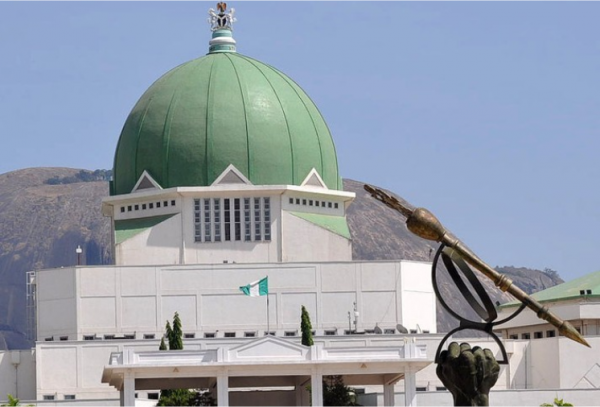
NASS Okays Bill Empowering States To Generate, Transmit, Distribute Electricity

The two chambers of the National Assembly on Tuesday passed a bill to allow states to generate, transmit and distribute electricity in areas covered by the national grid, and for related matters.
The “Bill For An Act to alter the provision of the Constitution of the Federal Republic of Nigeria, 1999 to allow States generate, transmit and distribute electricity in areas covered by the national grid; and for related matters,” was presented at plenary in the Upper and Lower Chambers on Tuesday.

Members of the House of Representatives voted 298 in support to 2 votes against the proposals.


While at the Red Chamber, 90 senators voted in support to pass the bill.
Abubakar Aliyu, the Minister of Power, had in February said that President Muhammadu Buhari has plans to ensure that the electricity supply industry in Nigeria is jointly owned by the federal government and the private sector.


The minister had said the federal government is open to partnering with investors in order to improve the power supply in Nigeria.
Recall that the 36 state governors under the aegis of the Nigeria Governors’ Forum (NGF) had on Monday faulted the electricity bill.


The governors said the bill works against the interest of the states as it seeks to re-establish a centrally controlled electricity sector.
In a statement on Monday, the NGF raised the red flag about the harmful consequences of placing the minister indirect control of the Nigeria Electricity Regulatory Commission (NERC) and the various agencies, including the Independent System Operator (ISO).


For instance, Section 5(b) of the electricity bill states, “Nigeria’s Minister shall be responsible for the determination, formulation and monitoring of government policy for the Nigerian electricity supply industry and perform the following functions including other functions assigned to him under this Bill and other Acts of the National Assembly.”

 The bill added that Nigeria’s minister of power shall exercise general supervision over the affairs and operations of the commission and agencies established under this bill, “and for this purpose give general and specific policy direction including directions on overall system planning and coordination to the commission or agencies established under this bill, which the commission or the agencies shall take into consideration in discharging their respective functions.”


“Clearly this bill is simply a means to amass wider ministerial and legislative powers and make these two stakeholders the dominant players in the sector,” the NGF had said in a statement signed by its executive secretary, Ashisana Okauru, on Monday.


The governors had also raised concern on the oversight responsibility of the National Assembly or its committees, which allows the Senate a “supervisory powers of any government Ministry over government-owned enterprises such as Nigerian Bulk Electricity Trading Company plc, Transmission Company of Nigeria plc (TCN) or other entities operating in the Nigerian electricity supply industry in which government has not divested its equity holdings and irrespective of the ministry where such entities are placed for administrative supervision by the ministry.”
 “It is difficult to see how section five and section six can work in practice to improve the credibility of NERC and the performance of the sector,” the NGF warned.


In another letter, signed by Kayode Fayemi, the chairman of NGF and Ekiti state governor, the governors had said the electricity bill was injurious to the states in the country with regard to generation, transmission, and distribution of electricity in their domain.


Fayemi argued that the bill, “Is based on recommendations put together by a team of consultants engaged by the Senate Committee on Power.”
The governors noted that Clause 2(2) of the Bill is rather injurious to the constitutional rights of States with regards to electricity generation, transmission, and distribution.


The governors argued that limiting the powers of states to build generation plants, transmission, and distribution lines only in areas not covered by the national grid shrinks the power of the states to make laws for electricity within their jurisdictions.
“We wish to point out that ‘electricity’ is not an exclusively federal matter. It is guided by the provisions of the Concurrent Legislative List. Articles 13 and 14 clearly provide that the power to make laws for the generation and transmission of electricity are concurrent,” the governors argued.


According to the governors, past efforts of states to establish and sustain electricity markets of their own have been stifled by the federal government, citing efforts of Lagos and Rivers states as examples.
The governors further pointed out that states like Lagos, Edo, Ekiti, Ondo, and Kaduna have already taken the initiative to enact policy statements and laws for the electricity sectors in their states.


 A similar policy is being championed by the 19 states of Northern Nigeria, they noted, pointing out that these states have come together to establish a common platform for realizing the benefits of the extensive renewable energy resources that their region is blessed with.


“It would be unconstitutional and an unjustifiable act of overreach for the Senate to consider and pass a bill that continues to treat the federation as one single electricity jurisdiction or sector’” the governors argued.
They explained, “While a single Electric Power Sector Reform Act may have been useful as a catalyst for the sector in the early years of the Fourth Republic, the states have all come of age, literally and metaphorically, and the arrangements must change in a way that accepts and respects the maturity of the states in electricity matters; a reality that this Senate Electricity Bill does not recognize and take account of but at best only pays the most cursory lip service.


“The NGF does not support this electricity bill in the version currently before the senate, except these amendments, are reflected. This is because it is unconstitutional and maintains the policy of federal government overreach in the electricity sector that has not yielded development to the country.
“The governors recommend the constitution of a working group, spearheaded by the state governors under the auspices of the National Economic Council (NEC), to work with the NASS leadership on the way forward for the electricity sector.


“From this should emerge a new National Electricity Policy and the foundations of a new Act of the National Assembly that, for the first time, will have the full buy-in of the States,” they concluded.
Meanwhile, the Senate has rejected a bill seeking to alter the constitution to legalize Virtual Court Proceedings.
The bill had proposed that courts or tribunals be allowed to conduct proceedings remotely, online, or through any media platform of technological innovations.
However, the bills can only become law if they are passed by 24 out of the 36 State Houses of Assembly through simple majority and the bills assented to by the president.

read more
News & Announcements

Evans, 2 Others Sentenced To Life Imprisonment For Kidnapping

Justice Hakeem Oshodi of the Lagos High Court in Ikeja, on Friday, sentenced Chukwudimeme Onwuamadike (alias Evans) and two others  Uche Amadi, and Okwuchukwu Nwachukwu to life imprisonment for kidnapping a businessman, Donatus Dunu.

Evans and five other defendants — Uche Amadi, Okwuchukwu Nwachukwu, Ogechi Uchechukwu, Chilaka Ifeanyi and Victor Aduba— were arraigned in August 2017 for kidnapping Dunu, who is the Managing Director of Maydon Pharmaceuticals Ltd. on February 14, 2017, and collecting 223,000 Euros as ransom from his family.

Delivering judgment in the case, Justice Oshodi held that the prosecution had succeeded in proving the charge against the three convicts beyond a reasonable doubt.

He concluded that the evidence tendered before the court especially the videos evidence collaborated the guilty of the convicts.

Justice Oshodi, however, discharged and acquitted Ogechi Uchechukw and two former soldiers of the Nigerian Army, Chilaka Ifeanyi and Victor Aduba for lack of sufficient evidence linking them to the crime.

He noted the allocators of the defence counsel Olarewaju Ajanaku and H.O. Ajibola that the convicts are first time offenders, remorseful and learnt their lesson.

But disagreeing with the defence lawyers that the convicts have shown remorse.

He held that they are unrepentant and comfortably lied to the court.

The trial judge also noted the submission of thẹ former DPP, Ms Titi Shitta-Bey that in view of the gravity of the offence and that kidnapping has been on the rise, that maximum sentence bẹ imposed to serve as deterrence to others.

Justice Oshodi held that the defendants have not shown any remorse going by the video shown in court.

He said: “I believe a lesson must be taught to serve as deterrence to others.

“The Law is the Law. Section 411 of the Administration of Criminal Justice Law of Lagos State (ACJL) 2015 must be applied to send the right message to the public that crime does not pay.

“Under section 411 of the law on which the convicts were arraigned, the penalty for the offence of kidnapping is life imprisonment and the law does not give the court any discretion in the matter.

“I hereby sentenced the three convicts, Chukwudimeme Onwuamadike, Uche Amadi and Okwuchukwu Nwachukwu to life imprisonment.”

Evans’s counsel, Victor Opara (SAN), while making his final oral submission, on December 21, had asked the court to discharge and acquit him of the two-count charge before it, saying there was no direct evidence linking Evans to the alleged crimes.

But, prosecution counsel, Adebayo Haroun, urged the court to convict the defendants as charged, saying there was circumstantial evidence linking them as well as confessional statements and video recordings of the accused.

Evans and several other alleged accomplices are also facing two charges before Justice Oluwatoyin Taiwo of an Ikeja Special Offences Court and another two charges before Justice Adedayo Akintoye of the High Court in Igbosere.

read more
News & Announcements

BREAKING: Russia to open talks with Ukraine

Russia was ready to send representatives to the Belarusian capital of Minsk to talk with Ukraine, the Cable News Network reports.

This was according to a readout from Kremlin spokesman, Dmitry Peskov, in response to the request of the Ukrainian President, Volodymyr Zelenskyy.

“Following Zelensky’s proposal to discuss the neutral status of Ukraine, Putin can send representatives of the Ministry of Defence, the Foreign Ministry and his administration to negotiations with the Ukrainian delegation,” the readout said.

The readout added that Minsk was chosen as the venue for the proposed talk.

In the meantime, CNN reported that Ukraine was under significant pressure, as Russian forces appeared to be closing in on Kyiv.

The report indicated that the Russian forces have entered the Obolon district in the north of the city, just a few miles from its centre.

Also, the Ukrainian forces have reportedly pushed the Russian forces back, having blown up the city bridge to stop their advancement.

read more
News & Announcements

Putin Unleashes Russian Forces On Ukraine

Russian forces have launched a major military assault on Ukraine, with reports of explosions near major cities across the country.
In a pre-dawn TV statement, Russian President Vladimir Putin said Russia did not plan to occupy Ukraine but said Moscow’s response would be “instant” if anyone tried to stop this.

 Shortly afterward, attacks were reported on Ukrainian military targets, reports the BBC.
Ukraine said that “Putin has launched a full-scale invasion of Ukraine”.
In a video statement on Thursday morning, Ukrainian President Volodymyr Zelensky said martial law was now being imposed across all of Ukraine.
“No panic. We’re strong. We’re ready for anything. We’ll defeat everyone because we are Ukraine,” the president said.


He said Russia carried out strikes on Ukraine’s military infrastructure and border guard units. Military headquarters, airfields, and military warehouses in Kyiv, Dnipro, and Kharkiv, officials said.
Reports are also coming of explosions in several Ukrainian cities and gunfire near the main Boryspil airport in the capital Kyiv. Warning sirens were heard blaring in the city with a population of about three million.
In a last-ditch attempt to avert war shortly before Putin’s announcement, Zelensky had warned that Russia could start “a major war in Europe” and urged Russian citizens to oppose it.


Zelensky said Russia had almost 200,000 troops and thousands of combat vehicles on Ukraine’s borders.
Ukraine’s Western allies had also repeatedly warned Russia was poised to invade. Responding to Russia’s assault, US President Joe Biden said Washington and its allies would respond in a united and decisive way to “an unprovoked and unjustified attack by Russian military forces” on Ukraine.


“President Putin has chosen a premeditated war that will bring a catastrophic loss of life and human suffering,” Biden said. “The world will hold Russia accountable.”
UK Prime Minister Boris Johnson said he was “appalled by the horrific events in Ukraine” and that President Putin “has chosen a path of bloodshed and destruction by launching this unprovoked attack”. He added that he had spoken to Ukraine’s president to discuss how to respond and promised decisive action by the UK and allies.


Russia launched its military operation just days after recognizing the self-proclaimed people’s republics of Donetsk and Luhansk in eastern Ukraine.
The breakaway regions – who control large swathes of the Donbas region – later asked Moscow for military support.
In his announcement early on Thursday, Putin said the military operation’s objective was to defend those people who had been subjected for eight years to “genocide by the Kyiv regime”.


It was an apparent reference to mass street protests in Ukraine that ousted Pro-Russian President Viktor Yanukovych in 2014.
Putin also said that Moscow would seek “demilitarisation and denazification” of Ukraine.
Kyiv and its Western allies have repeatedly rejected as absurd Putin’s claims that Ukraine was being run by neo-Nazis, instead of pointing out that – unlike an authoritarian Russia – Ukraine was now a nation with growing democratic institutions.


Fears of a Russian attack have been rising for months.
Putin has repeatedly accused the US and its allies of ignoring Russia’s demands to prevent Ukraine from joining the Nato military alliance and offer Moscow security guarantees.
On Wednesday, Ukraine’s state of emergency was overwhelmingly approved by lawmakers and is now in force nationwide.


It introduces personal document checks, blocks military reservists from leaving the country, bans mass gatherings, and places restrictions on radio communication systems. Kyiv’s mayor said checkpoints would be set up inroads into the city, and access to government buildings would be restricted

read more
News & Announcements

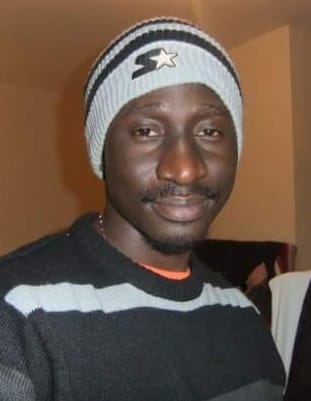
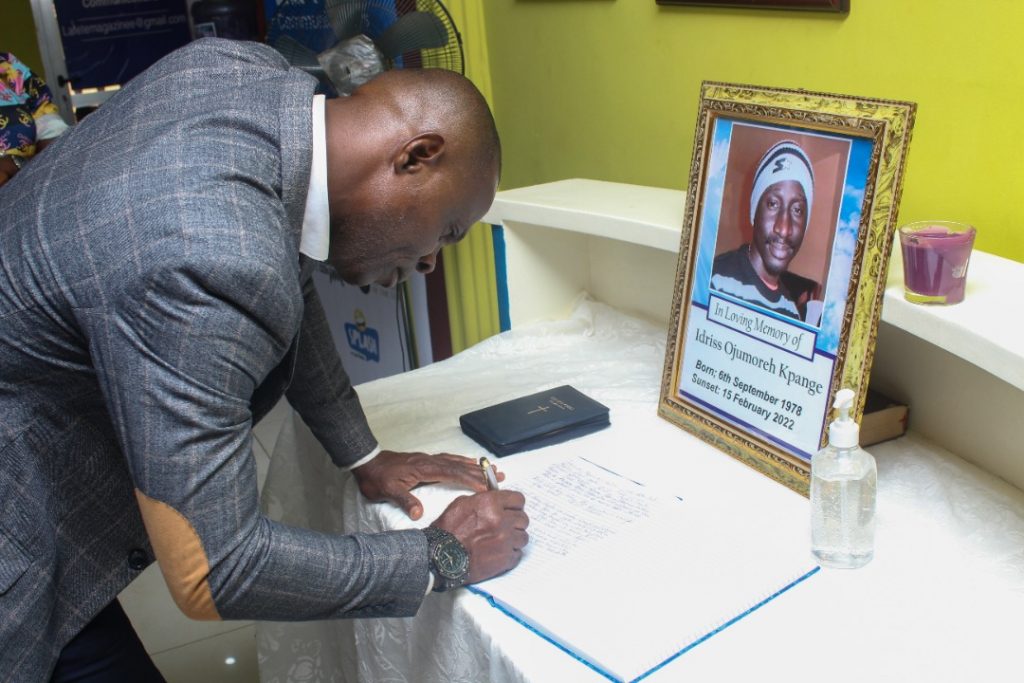
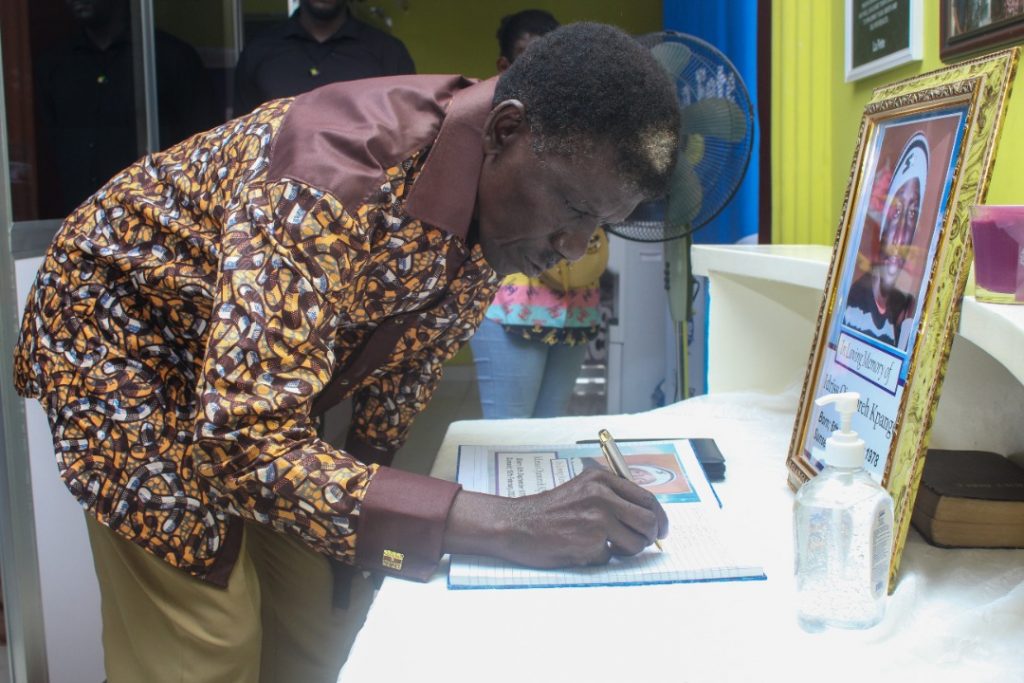
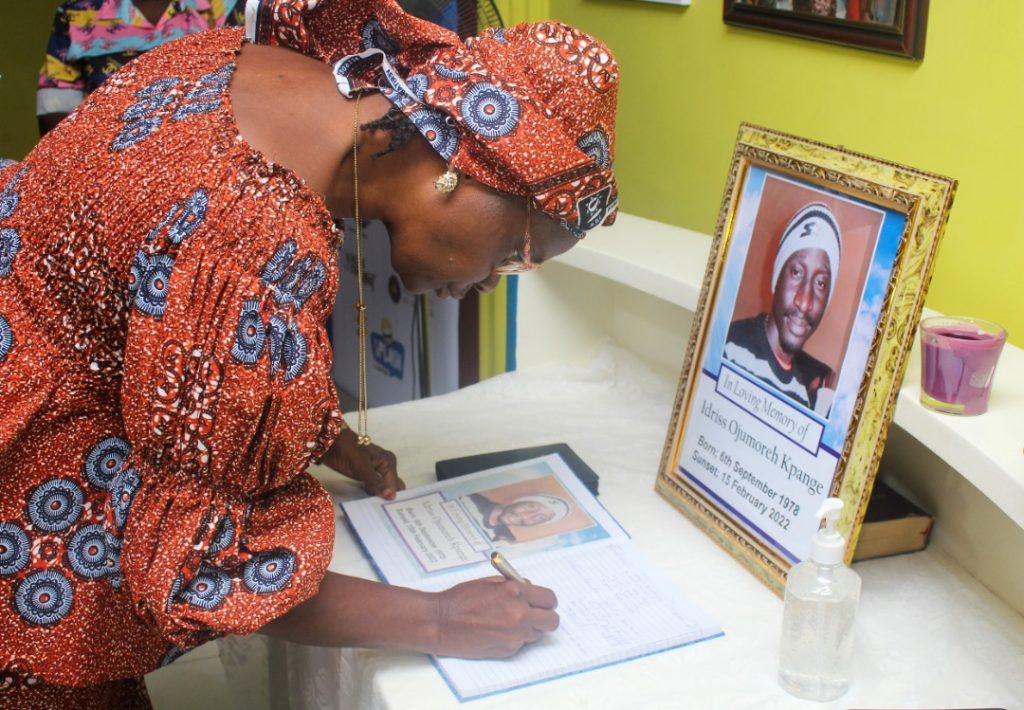
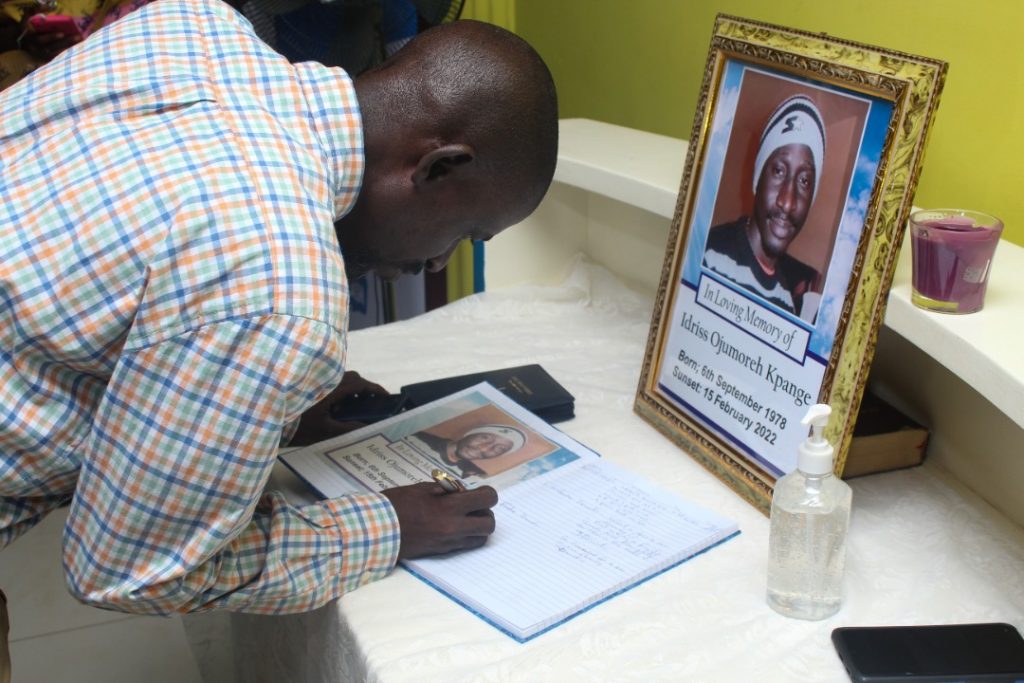
Tears, Emotion filled The Air As Family, Colleagues, And Friends Open Book of Condolence For Late Idriss Ojumore Kpange

In the journey of life, several factors humble a man which could be interpreted as, Lack ill-health and death, and this makes Life, a long lesson in humility.
 
The above statement easily heralds the feeling that envelopes the corporate office of La Fete Communications as family, friends, and colleagues of late Idriss gathered to open the book of condolence for late Sierra Leonean media guru Idriss Ojumore Kpange.
 
Young Idriss was the epitome of creativity in media communications in his home country and was regarded as the key driver of change in videography and production in Sierra Leone leading to his becoming a content provider for Reuters. The emergence of Idriss in no little way paved the way for several youths in-country, to learn the trade-in multimedia.
 
Born on 6th September 1978, Idriss was a former student at Njala Secondary School and later proceeded to Saint Edward Secondary School Freetown and gave up the ghost on the 15th, of February 2022 and he would be finally laid to rest on 3rd March 2022.
 
Meanwhile, the condolence book is open to friends’ colleagues, and family members at the La Fete office in Freetown Sierra Leone.

read more
1 227 228 229 230 231 322
Page 229 of 322